Lab-Grown Diamond, Moissanite or Cubic Zirconia: How They Differ
Lab-Grown Diamond, Moissanite or Cubic Zirconia: How They Differ
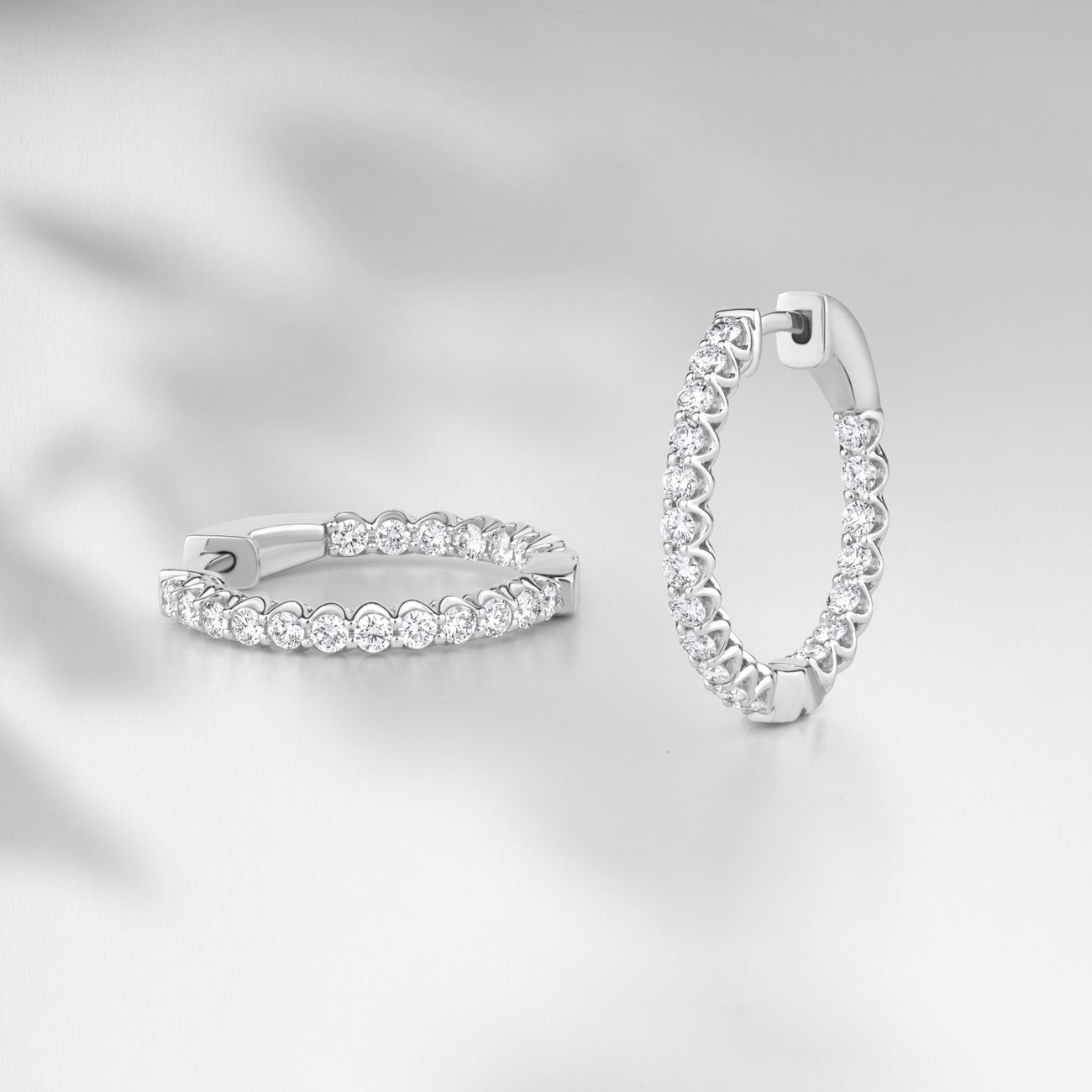
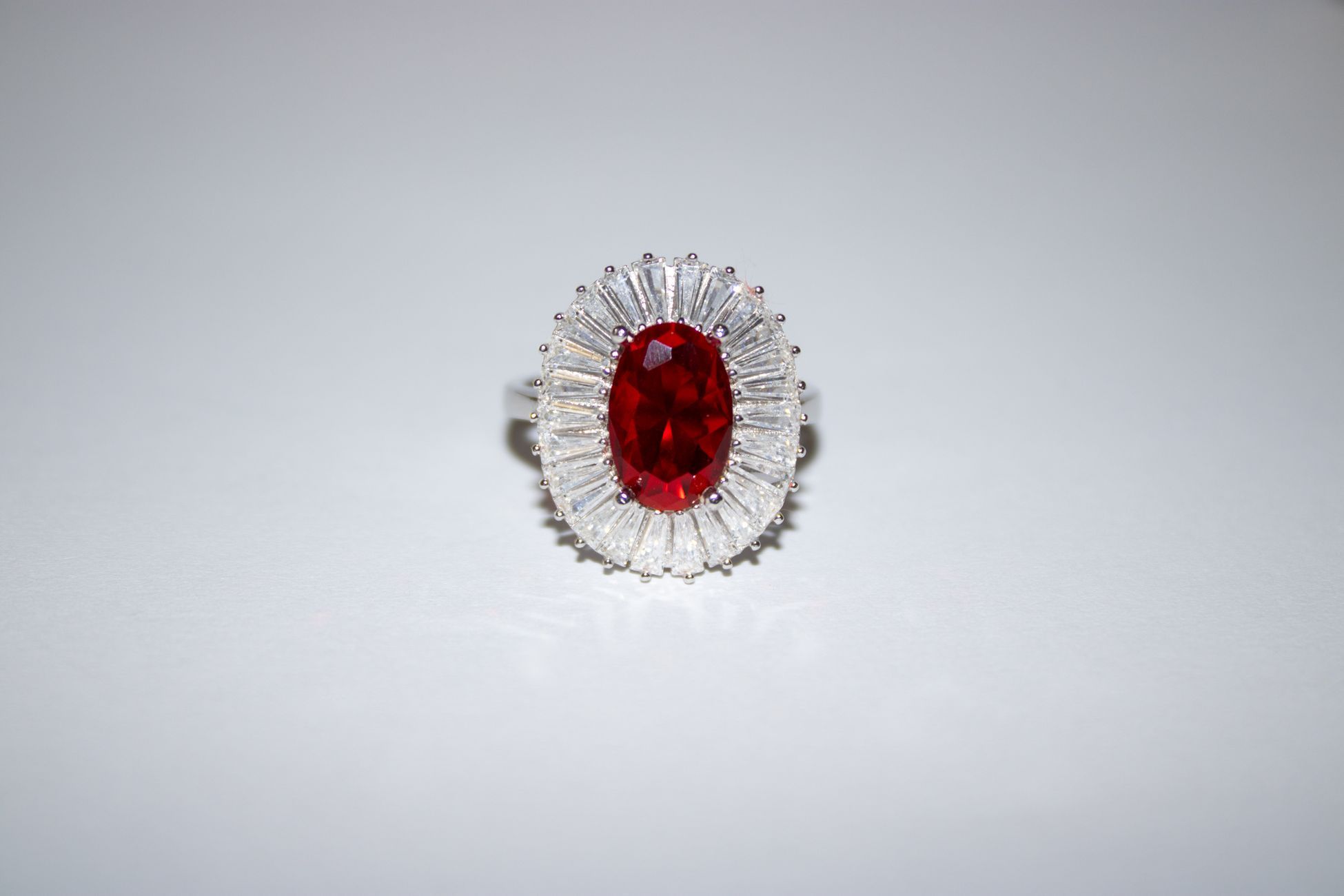
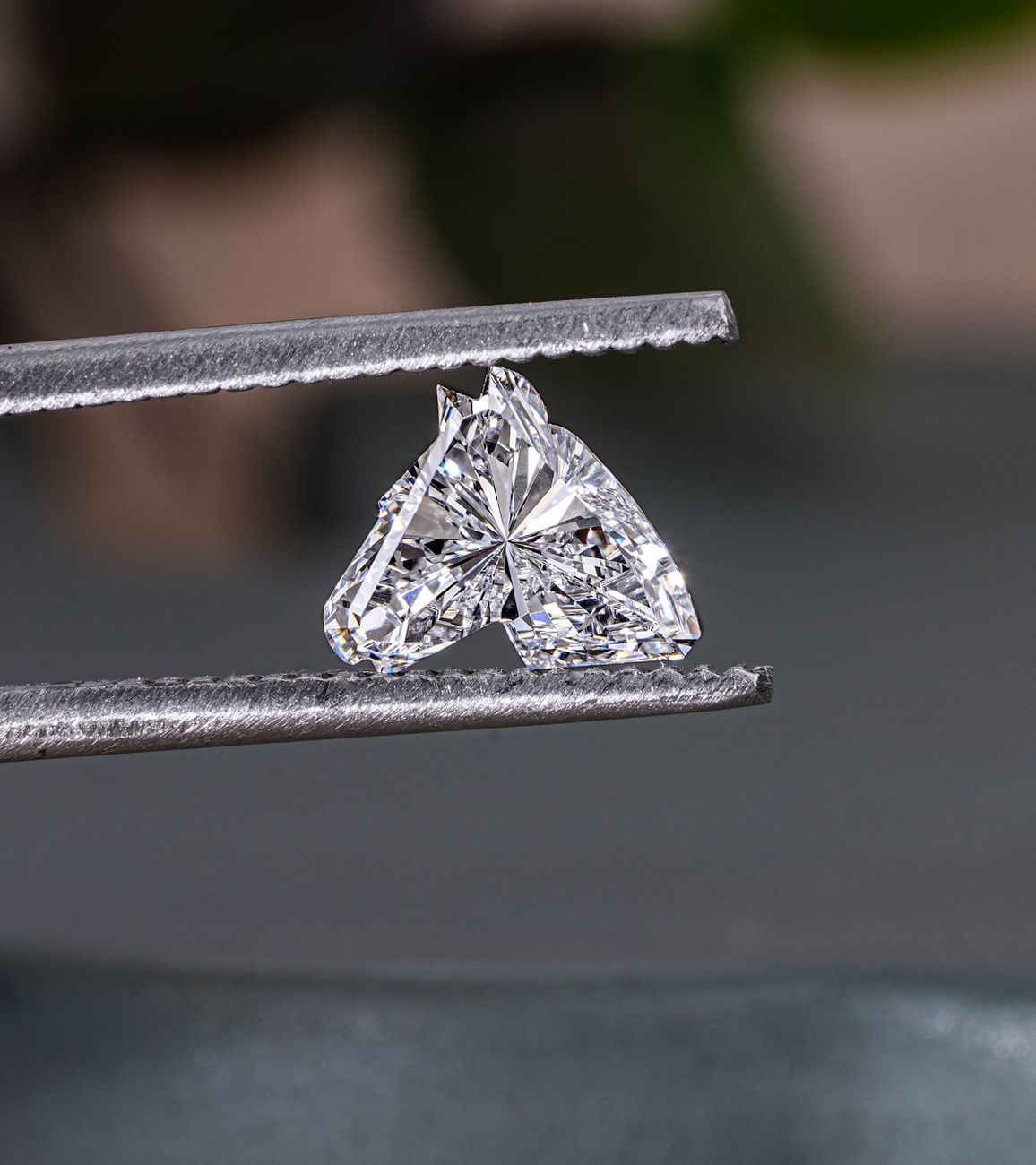
A jeweler's case can hold three stones that look almost identical under bright shop lights: a lab-grown diamond, a moissanite and a cubic zirconia. Only the first is diamond, and the differences show up later, in how each one sparkles in sunlight, how it holds up after years on a hand that cooks, types and lifts, and what it's worth if you ever sell it.
The short version: a lab-grown diamond is real diamond made in a factory, moissanite is a different and very hard crystal with more rainbow flash, and cubic zirconia is an inexpensive imitation that shows wear with daily use.
Only one of the three is actually diamond
A lab-grown diamond is crystallized carbon with the same chemical makeup, crystal structure, hardness and optical properties as a mined diamond. Producers grow it in one of two ways: under high pressure and high temperature (HPHT), recreating conditions deep in the earth, or by chemical vapor deposition (CVD), which builds carbon up layer by layer from a gas. A jeweler with a loupe can't tell it from a mined stone; confirming its origin takes laboratory equipment.
Moissanite is silicon carbide. The French chemist Henri Moissan found the natural mineral in 1893 in meteorite fragments from Arizona, but natural moissanite is so scarce that the stones used in jewelry are made in labs. It reached the jewelry market as a diamond alternative in the late 1990s.
Cubic zirconia, usually shortened to CZ, is zirconium dioxide crystallized in a cubic form with a stabilizing additive. It has been mass-produced since the 1970s and is a simulant: it imitates diamond's look without sharing its chemistry or hardness.
All three can be colorless and cut in the same shapes, so a round brilliant or an oval tells you nothing about which stone you're holding.
How the three stones compare side by side
For a ring, the differences that matter are material, hardness, the kind of sparkle and how each stone behaves over the years.
| Lab-grown diamond | Moissanite | Cubic zirconia | |
|---|---|---|---|
| Material | Carbon (diamond) | Silicon carbide | Zirconium dioxide |
| Mohs hardness | 10 | About 9.25 | About 8 to 8.5 |
| Sparkle | Same as mined diamond: bright white light with flashes of color | Strong rainbow flashes, more obvious in larger stones | Softer, glassier brilliance |
| Weight for the same size | Diamond baseline | Lighter than diamond | Noticeably heavier than diamond |
| After years of daily wear | Facet edges stay crisp | Facet edges stay crisp | Scratches and rounded edges, duller look |
| Basic thermal diamond tester | Reads as diamond | Often reads as diamond | Reads as not diamond |
| Independent grading report | Common | Uncommon | Rare |
Weight is the row that trips up shoppers. Because moissanite is less dense than diamond and CZ is denser, a carat of each is a different size. Sellers of moissanite and CZ often list stones in millimeters or as a "diamond equivalent" size, so compare stones by their measurements across the top, not by carat weight.
Moissanite throws more rainbow color than diamond
The difference you'll notice first in a moissanite vs. diamond comparison is dispersion, the way a stone splits white light into spectral colors. Moissanite disperses light more than twice as strongly as diamond and also bends light more sharply. In daylight or under spotlights, that shows as vivid rainbow flashes, and the effect grows with stone size. Some people love it; others find it looks less like a diamond the moment they step outside.
Moissanite is also doubly refractive. Looked at from certain angles through a loose stone, the back facet edges can appear doubled. Cutters usually orient the crystal so this is hard to see from the top, but a jeweler with a loupe can spot it.
Color is worth checking in daylight. Early moissanite often carried a faint yellow or green tint, and colorless grades are sold alongside warmer ones, so ask which grade you're buying.
CZ bends light less than diamond, so its brilliance looks softer and slightly glassy, and its flawless interior can look too perfect next to a real stone.
Hardness shapes how a ring ages
A ring takes more knocks than any other jewelry, and the Mohs scale explains much of what follows. Diamond sits at 10 and moissanite at about 9.25, so both resist scratching from household dust, which contains quartz at about 7. The scale isn't evenly spaced: the gap between 9 and 10 is far larger than the numbers suggest, though for everyday wear moissanite performs close to diamond.
CZ, at about 8 to 8.5, survives the first months well. Over a few years of daily wear, though, its facet edges get rounded and fine scratches build up, and a CZ worn every day tends to look cloudy. That's why it suits a ring you'll replace or wear occasionally.
Hardness isn't toughness. Diamond can chip if a hard blow lands at the wrong angle along its natural cleavage planes, so a bezel or a setting with protected edges helps on a ring you wear for work or the gym. For cleaning, warm water, a drop of mild dish soap and a soft brush suit all three stones, since lotion and skin oils dull any of them.
What sellers must disclose and testers can miss
In the US, the Federal Trade Commission's Jewelry Guides let a seller call a lab-grown stone a diamond only with a clear qualifier such as "laboratory-grown" or "laboratory-created" next to the word, and moissanite or CZ may not be described as diamond. Read the description and the receipt for those words.
Many lab-grown diamonds come with a report from an independent gem lab, often with a report number laser-inscribed on the stone's edge. Check that the report says laboratory-grown and that the inscription matches it.
Testers are less reliable than they look. Moissanite conducts heat much like diamond, so a basic thermal tester can flag it as diamond; testers that also measure electrical conductivity usually tell the two apart. A basic handheld diamond tester can't separate a lab-grown diamond from a mined one; that takes a screening instrument or a gem lab.
Which stone suits which buyer
Each stone makes sense for a different kind of buyer, and the deciding question is usually how long you expect to wear the ring every day.
- If you want genuine diamond with its hardness and classic white sparkle for less than a mined stone, a lab-grown diamond ring fits. Don't treat it as an investment: lab-grown diamond prices have fallen over the past decade, and the secondhand market pays little for them.
- If you want a larger look on a tighter budget and like extra fire, a moissanite ring gives near-diamond durability for daily wear. Skip it if you want a stone that reads as diamond to anyone who looks closely in sunlight.
- If the ring is for fashion, travel or occasional wear, or you want to try a size and shape before committing, CZ costs far less than either of the others. Expect to replace it, and check whether the metal is solid or plated, since a cheap band often wears out before the stone.
- If you care mainly about avoiding mining, all three stones are made in labs rather than dug up, though production energy varies by maker, so ask what the seller can document.
When you shop, ask every seller for the stone's measurements in millimeters along with the carat weight, so a moissanite, a CZ and a lab-grown diamond quoted as the same "size" can be compared on equal terms.