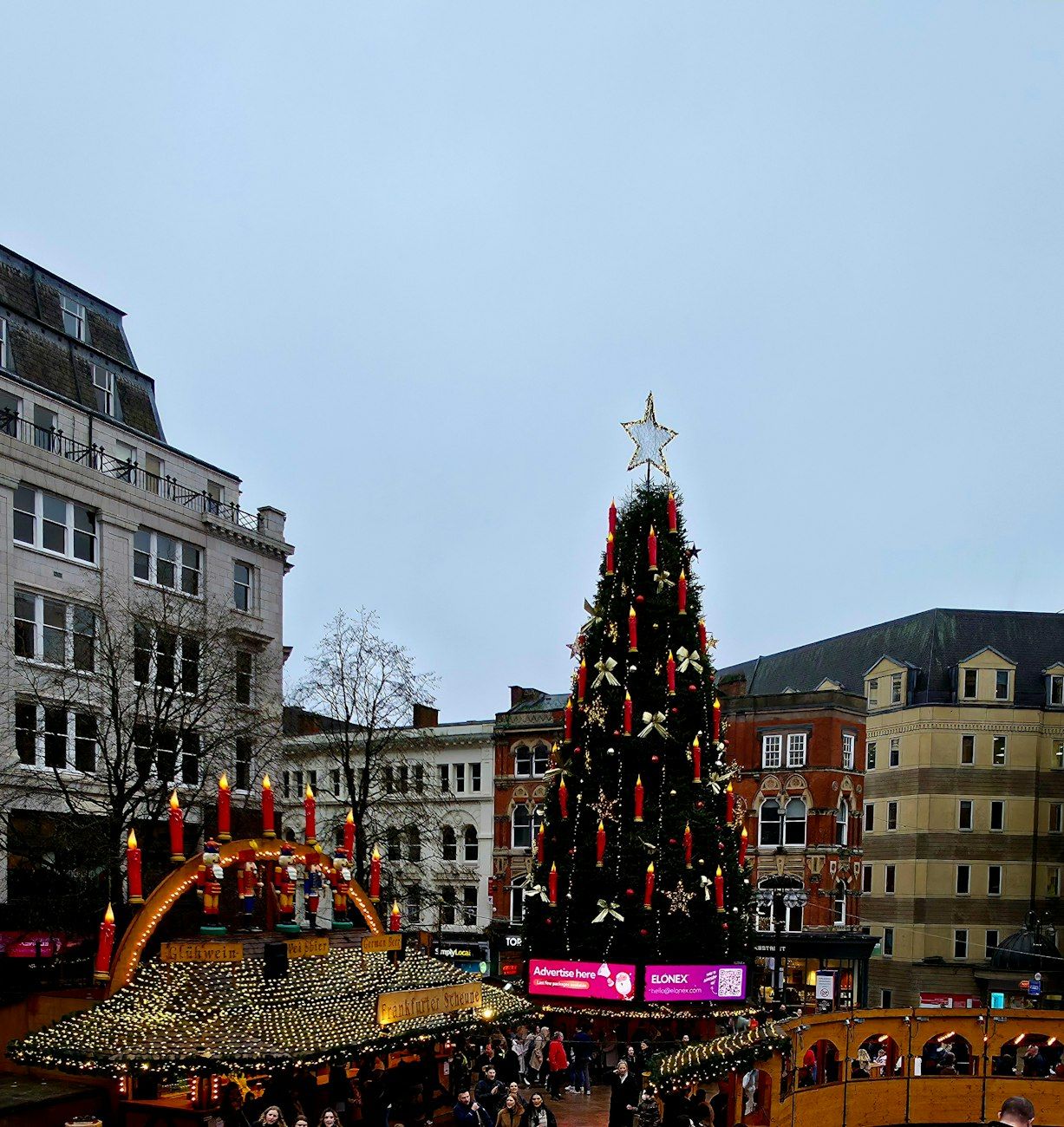
Where to Stay for a Christmas Market Weekend in a German City
Where to Stay for a Christmas Market Weekend in a German City
A room a short walk from the stalls changes a Christmas market weekend. You can drop off a bag of gingerbread, warm up when it's dark before 5 p.m., and head back out once the evening crowd thins. For Christmas markets in Germany, there are three kinds of base to choose from: the old town around the market, the streets by the main train station, or a quieter district on a direct tram or subway line.
Which one fits depends on the city, your budget and how late you plan to stay out. Dates matter almost as much as the address, because the same room can cost far more on the wrong weekend.
Pick your dates with the crowds and trade fairs in mind
Many German markets open between mid- and late November, depending on the city and the year, and run until just before Christmas. Several states restrict public events on Totensonntag, the Sunday before the first Sunday of Advent, so in parts of the country some markets stay closed that day or open only in the evening. Many close on December 23 or at midday on the 24th, while a smaller number carry on, sometimes as a winter market, until the end of December.
Saturdays draw the biggest crowds. Day-trippers arrive by bus and train, and famous markets such as Nuremberg's Christkindlesmarkt or Dresden's Striezelmarkt, first held in 1434, can be shoulder to shoulder by late afternoon. A Thursday-to-Saturday or Sunday-to-Tuesday stay gives you at least one calm evening at the stalls, and rates for the same room can differ a lot between weekends, so compare several dates.
Check the city's trade fair calendar before you settle on dates. Cities with large exhibition grounds, including Cologne, Frankfurt, Düsseldorf and Munich, host fairs in late autumn too, and a big one can fill hotels across town on exactly the nights you wanted.
Old town, station or tram line: choosing a base
Inside the old town
Staying near the market square means you can walk back at any hour and see the stalls before the crowds arrive in the morning. It's often the priciest option and the noisiest. Crowds linger until closing, and deliveries and cleanup start early, so a room overlooking the square can be a poor trade. Ask for a room facing a courtyard or a side street. Older buildings in historic centers don't always have elevators, which matters if you're carrying a large suitcase over cobblestones.
Near the main station
A hotel by the Hauptbahnhof, the main station, makes arriving with luggage easy and puts day trips a few minutes away. In some cities the station sits right at the edge of the center; Cologne's is next to the cathedral, where one of the city's markets sets up. The streets immediately around some main stations feel rough late at night, though, so look at which side of the station a hotel faces and how you'd walk back after 10 p.m.
A district on a direct line
Neighborhoods a few stops out tend to cost less, sleep more quietly and have restaurants that aren't full of visitors. The weak point is the ride home. Pick a place on a tram or subway line that runs straight to the market without a transfer, and check how often it runs late in the evening, especially on Sundays.
Apartments with a kitchen suit families and longer stays. Several large German cities limit short-term rentals, so where a city requires registration, a listing that shows its registration number is the safer choice.
Sleep in one city and reach the others by train
Most flights from the US to Germany land in Frankfurt or Munich, with fewer routes into Berlin and Düsseldorf. Frankfurt Airport has its own long-distance train station, so you can be in a market town the same afternoon; Munich's airport connects to the city by S-Bahn.
For a weekend, one base usually beats two. Packing up and checking in again eats half a day, while regional trains link many market towns in under an hour. Cologne and Düsseldorf, for example, sit close enough for an easy evening trip. Small, picturesque towns such as Rothenburg ob der Tauber have few beds and fill fast, but sleeping there lets you see the lanes after the tour buses leave.
Germany Christmas market tours, whether by coach or river cruise, handle the hotels for you, but the operator picks the location. Before booking one, check how far each night's hotel or mooring is from the market you're there to see. Independent Christmas market trips to Germany leave that choice with you.
Book the room first, then lock in the trains
Book accommodation as soon as your dates are fixed, choosing a rate with free cancellation if you can, since good locations in popular market towns go early. Then sort out rail travel. Deutsche Bahn's discounted long-distance fares are usually tied to one specific train, while the more expensive flexible fares let you take any train on your route that day; seat reservations on long-distance trains are often sold separately.
Before you pay for a room, confirm the details that change the real cost or the experience:
- whether breakfast is included or charged per person
- whether the city adds a local overnight tax, which several German cities do
- reception hours, since small hotels may close the front desk in the evening
- an elevator, if you're traveling with heavy bags
- the distance on foot to the market, measured on a map rather than taken from the listing
Where to confirm dates, hours and entry rules
Opening dates and hours change from year to year, so go to the people who set them rather than relying on last season's details. Most markets run from late morning into the evening, but closing times, Sunday hours and holiday schedules differ by city.
These official sources hold the current information:
- The market organizer or the city's tourism office for opening dates, daily hours and any closures
- Deutsche Bahn for long-distance timetables and fares
- The city's public transit authority for day tickets and late-night service
- The US State Department's Germany page for passport validity and entry requirements
- The European Union's official travel pages for border registration of non-EU visitors and whether ETIAS, its pre-travel authorization, applies on your dates
At the stalls, hot drinks usually come in a deposit mug: keep the mug as a souvenir or hand it back at any stall from the same market to get the deposit returned.